What Cars and Gambling Have in Common: Risk, Data, and Decision-Making
-
What Cars and Gambling Have in Common: Risk, Data, and Decision-Making
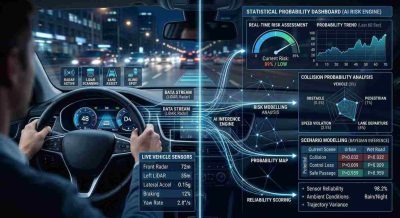
 Cars and gambling may seem unrelated, but both can involve decision-making under uncertainty. Driving involves assessing road conditions, vehicle performance, traffic, and potential hazards, while gambling involves uncertain outcomes and financial risk.
The common connection is the way people respond to incomplete information.Understanding Risk
Here’s how:
Driving Involves – and Unpredictable Factors
Drivers can control certain actions, such as speed, braking, and following traffic rules. However, they cannot completely control weather, road conditions, or the actions of other drivers.
Gambling Has Greater Outcome Uncertainty
In gambling, a person may make decisions, but the final outcome can depend heavily on chance. This distinction is important because controlling a decision does not necessarily mean controlling its result.
The Role of Data
See below:
Vehicle Technology
Modern vehicles can collect information through sensors and electronic systems. Drivers and manufacturers can use data to understand fuel consumption, maintenance needs, speed, and vehicle performance.
Sports and Gambling Analytics
Sports betting analysis also uses statistics and probability to examine uncertain outcomes. Sports analytics research identifies probability, expected value, team strength, and market information as important analytical concepts.
Better Decision-Making
Check these out:
Understanding What You Can Control
Good decision-making begins by separating controllable factors from uncontrollable ones. This principle applies to driving, financial decisions, sports analysis, and many other situations involving uncertainty.
Conclusion
Cars and gambling have little in common as activities, but both demonstrate how people make decisions with incomplete information. Data can improve understanding, while recognizing uncertainty helps prevent people from confusing informed decisions with guaranteed outcomes.
 Cars and gambling may seem unrelated, but both can involve decision-making under uncertainty. Driving involves assessing road conditions, vehicle performance, traffic, and potential hazards, while gambling involves uncertain outcomes and financial risk.