
Why Early Lines Are Often the Softest
-
Why Early Lines Are Often the Softest
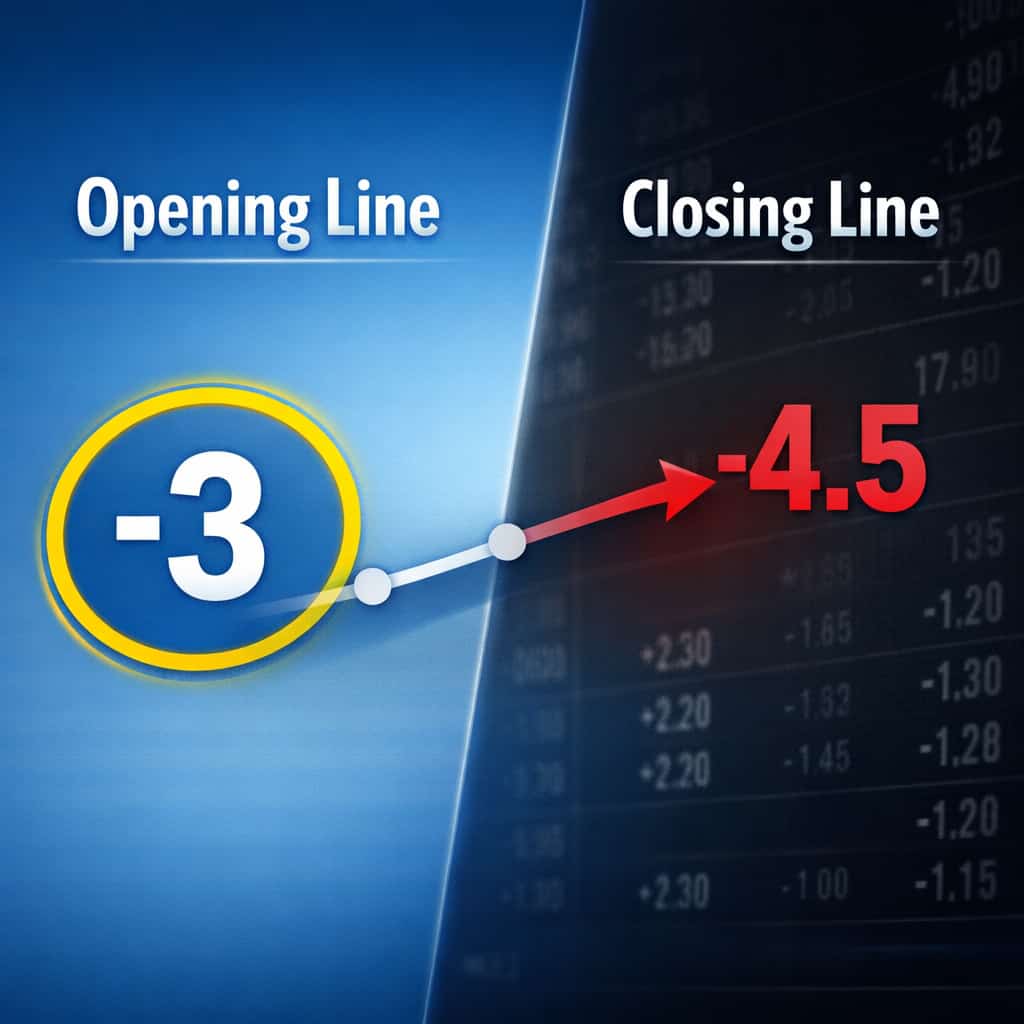
 In sports betting, timing matters. Not just what you bet, but when you bet it. Anyone who’s spent time around sharp bettors has heard the same advice repeated again and again: the best numbers usually don’t last. There’s a reason for that. Early lines are often the softest ones a sportsbook will post, including at platforms like Esport Bet, where opening prices can shift quickly once informed money enters the market. This isn’t about luck or superstition. It comes down to limits, information, and who is shaping the market.
What “early lines” really are
Early lines are the first prices sportsbooks release for an event. In many cases, they go up days or even weeks before the game. At that point, books aren’t trying to attract massive betting volume. They’re trying to find the correct number.These openers are more like trial balloons than finished products. Sportsbooks know they don’t have perfect information yet. They also see that the market hasn’t spoken. So they post a line, set low limits, and wait to see what happens. That waiting period is where opportunity shows up.Low-limit openers create vulnerability.
One key reason early lines are soft is the limits attached to them. Opening limits are usually small. Sometimes very small. A book might only take a few hundred dollars on a side when a line first goes live.At first glance, that sounds like protection. But it actually does the opposite. Low limits mean sportsbooks aren’t risking much money on those early bets. So they rely on who is betting, not how much. If a respected bettor hits an opener, the book pays attention. That bet carries more weight than a dozen public bets placed closer to game time.This setup gives sharp bettors influence. They don’t need to bet big to move the line. They need to bet early and be right often enough for the book to respect the signal. Once limits rise, that edge shrinks. By then, the line has already been shaped.Information gaps are widest early.
Another reason early lines are soft is simple: sportsbooks don’t know everything yet. Neither does the public. But someone usually does. Early in the week, injury reports are incomplete. Player usage isn’t finalized. Weather forecasts are rough estimates. Coaching decisions are still internal. Travel issues, motivation spots, and matchup details haven’t been fully priced in.Sportsbooks do their best with what they have. But they’re working with partial data. That creates gaps.Sharp bettors specialize in finding those gaps. They track injuries before they hit mainstream news. They model matchups instead of relying on averages. They understand how a specific absence changes a team’s scheme, not just its power rating. When that information isn’t fully reflected in the opener, the line is soft by definition.Early markets are less efficient.
Market efficiency improves with volume. Early markets don’t have much of it. When a line first opens, there are only a handful of bets coming in. Each one moves the number more than it would later. But there aren’t many opinions yet to correct mistakes.As more bettors get involved, inefficiencies get squeezed out. Bad numbers get bet into shape. Outliers disappear. By game day, most major markets are pretty tight. That doesn’t mean late lines are perfect. But it does mean they’ve survived more scrutiny. Early lines haven’t.Sharp action defines the number.
Sportsbooks respect sharp action because it helps them do their job. Early bettors who consistently beat closing lines are valuable sources of feedback. When those bettors attack an opener, sportsbooks move fast. They don’t wait for balance. They move because they believe the original number was wrong.This is why early steam matters. Not because it guarantees a winner, but because it shows where informed money disagrees with the book’s first opinion. By the time the public starts betting in large numbers, the line is often already reflecting sharp influence. The “easy” edge is gone.Public money comes later.
Casual bettors tend to bet close to game time. That’s when games are visible, narratives are loud, and betting menus are full. Sportsbooks expect this. They also know public money is less predictive. Favorites, overs, recent results, and popular teams drive it. That money helps shape liability, not accuracy.Early lines aren’t built for the public. They’re built to test the waters. Once public money arrives, the book’s priority shifts from finding the correct number to managing risk. That’s another reason early numbers are softer. Accuracy matters more before the crowd shows up.Why does this edge not last forever?
If early lines are so soft, why doesn’t everyone exploit them? Because it’s hard. You need solid information, strong models, or a deep understanding of the sport. You also need accounts that aren’t limited and the discipline to bet before the news is obvious. That rules out most bettors.
Sportsbooks also adjust. They track who beats openers. They shade future lines. They lower the limits or move faster. The cat-and-mouse game never stops. Still, the basic structure remains. Early lines are guesses. Later lines are consensus.Timing is part of the bet.
Betting isn’t just about picking winners. It’s about price. And the price depends on timing.Early lines are often the softest because they’re posted with less information, lower limits, and minimal market feedback. Sharp bettors take advantage of that window. By the time everyone else joins in, the number has usually caught up. That doesn’t mean you should unthinkingly bet every opener. It means understanding that the market evolves. And if you want the best of it, you usually have to be early.

Recent Posts

Cars and gambling may seem unrelated, but both can involve decision-making under uncertainty. Driving involves assessing road conditions, vehicle performance, traffic, and potential hazards, while gambling involves uncertain outcomes and financial risk.
The common connection is the way people respond to incomplete information.
Understanding Risk
Here’s how:
Driving Involves – and Unpredictable Factors
Drivers can control certain actions, such as speed, braking, and following traffic rules. However, they cannot completely control weather, road conditions, or the actions of other drivers.
Gambling Has Greater Outcome Uncertainty
In gambling, a person may make decisions, but the final outcome can depend heavily on chance. This distinction is important because controlling a decision does not necessarily mean controlling its result.
The Role of Data
See below:
Vehicle Technology
Modern vehicles can collect information through sensors and electronic systems. Drivers and manufacturers can use data to understand fuel consumption, maintenance needs, speed, and vehicle performance.
Sports and Gambling Analytics
Sports betting analysis also uses statistics and probability to examine uncertain outcomes. Sports analytics research identifies probability, expected value, team strength, and market information as important analytical concepts.
Better Decision-Making
Check these out:
Understanding What You Can Control
Good decision-making begins by separating controllable factors from uncontrollable ones. This principle applies to driving, financial decisions, sports analysis, and many other situations involving uncertainty.
Conclusion
Cars and gambling have little in common as activities, but both demonstrate how people make decisions with incomplete information. Data can improve understanding, while recognizing uncertainty helps prevent people from confusing informed decisions with guaranteed outcomes. [...]
The world of electric car racing is becoming an exciting new betting and racing market. As sustainability becomes a focus, EV racing events are attracting a new generation of fans. This change is impacting on the nature of betting markets.
Bettors are looking for new opportunities in this area with the rise in interest.
The Growing Popularity of the Electric Racing Leagues
Electric racing has become a popular sport worldwide. It is an event that demonstrates the highest levels of vehicle technology and innovation. There’s a growing appeal for the eco-friendly factor. This trend is reflected in the increased bettors’ markets.
Some Considerations on the Unique Betting Angles in EV Competitions
EV racing brings in a variety of strategies from conventional motorsports. Energy efficiency and battery management are among the factors. This is what the bettor needs to take into account when making a bet. This makes it even more complex for the bettor to come to a decision.
Eco-Friendly Trends Shaping Gambling Preferences
Consumer choices are changing due to sustainability. There are some that choose the platforms that are eco-friendly. This pattern is right on point for EV racing. It makes an environmental consciousness link to entertainment.
Technology in Modern Racing Bets
Advanced analytics and data tracking enrich EV race betting. Platforms offer information on vehicle performance and race conditions. This is to assist the bettors to make their decisions based on information. Technology remains a key innovation for increased accuracy and engagement.
End Notes
EV racing is influencing the future of motorsport betting. It provides sustainability and innovation, drawing new generations of bettors to it. As the betting industry expands, betting platforms will evolve to fit the needs. The eco-friendly approach and gaming presents promising prospects for the future. [...]
Motorsport fans know the unique thrill of hearing powerful machines roar through tight corners at full capacity. The sound alone can send a rush through the crowd.
Recently, many of these fans have discovered another layer of excitement alongside the race itself. It comes from predicting outcomes and placing wagers through sites like Parmatch.
The mix of racing intensity and wagering strategy has quickly turned the platform into a favorite among racing enthusiasts.
Motorsport culture has always involved a bit of friendly speculation. Fans debate who will take pole position, which team will gamble on strategy, and which driver might surprise everyone.
Adding predictive wagering simply amplifies that tradition. It transforms casual conversations into a more interactive experience without losing the playful spirit fans enjoy.
At a recent watch party, one longtime fan summed it up nicely. Everyone in the room knew the race would unfold in unexpected ways, and that uncertainty made it exciting.
People laughed as they made wild predictions about pit strategies or last-minute overtakes. Racing, he said, is thrilling enough on its own, but making bold guesses about the outcome adds another level of fun.
Real-Time Interaction and the Rhythms of Racing
Modern motorsport fans rarely watch races passively anymore. Many follow every lap with intense focus, tracking timing screens, driver positions, and shifting odds.
Like other sports, motorsport wagering involves odds, statistics, and performance analysis. Yet racing has its own unique unpredictability. A sudden safety car, a poorly timed pit stop, or a mechanical issue can instantly change the course of a race. When that happens, the balance of wagers and odds shifts just as quickly.
Digital betting apps have strengthened the psychological connection fans feel with the sport. Watching the race becomes more interactive when real-time odds are changing and fans are evaluating what might happen next.
Interestingly, betting among motorsport fans often feels less aggressive than in some other sports. Many treat it as a friendly challenge rather than a high-stakes competition. Fans enjoy making bold predictions, even if they know the odds are against them.
Motorsport Culture and Mobility
Motorsport fans are also uniquely mobile. They follow races from different locations and often keep up with updates while on the move.
A quick glance at a phone can reveal changing race positions or new odds. Fans might check updates while commuting or waiting in traffic, turning everyday moments into small racing check-ins.
Each Formula One race often feels like a long journey in itself. The broadcast flows through commentary, strategy discussions, and bursts of high-speed action, creating a rhythm that keeps fans engaged throughout the event.
Chance Versus Knowledge
As the race unfolds, many bettors shift from casual guessing to deeper analysis. They study driver habits, team strategies, and how pressure influences decision-making.
Among experienced bettors, racing knowledge can matter just as much as the odds themselves. Drivers adjust their behavior depending on championship standings, weather conditions, and team priorities. Understanding these patterns can influence how wagers are placed.
Conversations about emotional discipline are common within the betting community. Many believe that emotional control is a profitable skill in betting, especially during tense moments in a race.
A sudden crash or unexpected lead change can tempt bettors to act impulsively. Experienced bettors try to remain calm and think through their choices.
Patience has always been important in motorsport. In many ways, the same patience applies to wagering on the sport. [...]
Motorsports have gained significant popularity in the online gambling arena. In Formula racing and motorcycle championships, spectators are betting money as they watch high-speed racing. This mixture of cars and gambling has given rise to a niche market. Due to the development of technologies, betting in motorsport has become more and more popular.
The Attraction of Speed and Accuracy in Games
Motorsports are high-adrenaline events with bettors seeking thrills. The accuracy needed in racing renders results more dynamic and unpredictable. This opens up thrilling possibilities of betting besides win bets. The intensity and strategy attract fans.
Varied Betting Opportunities in the Course of Racing
Punters are able to bet on lap leaders, pit stops, and fastest times. Such diverse possibilities make bets in motorsport more entertaining. Contrary to traditional sport, races offer various areas of interest. This brings about more betting during the event.
Real-time Race Betting Enhancing Technology
Live data feeds enable bettors to follow performance in races in real-time. Instantaneous updates assist users in making timely judgments when there is a race. Bets can be easily placed anywhere through mobile platforms. This combination of technology enhances the experience.
Worldwide Fan Base Ambiguating Industry
Motorsports have a global audience, which increases betting opportunities globally. Big games are watched by millions of fans and gamblers. This international attraction drives market expansion and competition on platforms. It also promotes innovation in betting services.
End Notes
Motorsport has a blend of speed, strategy, and global attractiveness that makes it very interesting. With the changes in technology, the betting experiences will be even more immersive. The future of automobile-based betting is quick and bright. [...]
Over the past decade, thousands of British players have turned to online casinos licensed in Europe, drawn by clear rules, attractive bonuses, and diverse game libraries. These platforms have evolved fast, offering perks and experiences that feel like a scenic journey across exciting terrain.
Think of your gaming path like a road trip, where a smart driver plans each turn and each stop. For players seeking thrills and value, European casinos for UK players offer a roadmap filled with rewarding pit stops, trustworthy highways, and dazzling destinations. This is more than gambling; it’s a guided tour through regulated territory with rest stops that boost your balance and steer you toward great games.
The Roadmap: Navigating European Casinos Safely
Before setting off, every traveler checks their map. In the world of online casinos, your map starts with licenses and regulation. European regulators like the Malta Gaming Authority and the UK Gambling Commission are well known for strict standards. Playing on licensed sites ensures fairness, secure payments, and clear terms.
Security should be your first checkpoint. Strong encryption, verified identities, and responsible gaming tools act like roadside assistance on a long drive. If a site has transparent policies and visible license numbers, it’s a good sign you’re on a reliable route. Always verify licenses through official regulator databases.
Choosing Your Highway: Platforms and Payment Routes
Just as highways vary in smoothness and scenery, casino platforms differ in design and convenience. Some sites run like well-paved expressways, loading quickly and keeping menus intuitive. Others feel like scenic backroads, slower but rich with hidden gems. Players should also be aware of legal and ethical considerations when exploring platforms, much like understanding road rules before a drive. For more insights, check out legal and ethical issues in games with vehicle.
Payment options are your fuel stations. The best European casino sites support a wide range of trusted methods, from credit cards to e-wallets like PayPal and Skrill. Fast processing matters, especially for withdrawals. Some casinos even offer localized banking choices tailored to UK players, making deposits and cash outs feel like quick stops at familiar service stations.
Pit Stops: Bonuses and Rewards Worth Taking
Imagine cruising and spotting a sign for a rest area with free snacks and entertainment. In online casinos, bonuses are those rest areas. Welcome offers, free spins, reload bonuses, and loyalty points give you extra mileage for your budget.
Welcome Bonuses – These are like your first big rest stop. Generous match bonuses can significantly top up your bankroll right from the start.
Free Spins – Think of these as mini pit stops where you get some free rounds on popular slots.
Loyalty Programs – Frequent traveler perks. The more you play, the more you earn in points, cashback, or exclusive offers.
Keep an eye on terms and wagering requirements. A bonus might look exciting, but if it comes with strict conditions, it’s like a rest area with low-quality food. Read the fine print, check minimum deposits, and understand the playthrough before you stop.
Destination Hotspots: Curated Game Collections
Your road trip is about the destinations. In casino terms, those are the games. Top European sites host vast libraries of slots, table games, live dealers, and more. Some specialize in progressive jackpots that promise huge payouts, while others focus on immersive live tables with real dealers.
Slots like “Starburst” or “Book of Dead” are popular crossroads where many players gather. Meanwhile, live casinos bring you real-time action from studios in Europe, making you feel like you’re stepping into a classic casino lounge. Game diversity keeps your journey fresh. If one route starts to feel dull, a new genre or provider can refresh your drive.
Checkpoints: License, Banking, and Fair Play
Before you get too deep into your trip, double-check three key areas:
License Verification – Confirm the casino holds a valid European license from a respected body. This protects you in case of disputes.
Payment Transparency – Review deposit, withdrawal, and processing times. Clear policies help avoid surprises.
Game Fairness – Reputable sites publish RTP (Return to Player) rates and use independent auditors. It’s like checking road conditions before you go.
These checkpoints are routine but essential. They shorten delays and give you a smoother ride, letting you focus on the fun parts of your journey instead of dealing with bumps or detours.
Road Rules: Responsible Gaming and Limits
Every seasoned traveler knows road rules ensure safety. In the gaming world, responsible play is your rulebook. European casinos often offer tools to set deposit limits, session reminders, or self-exclusion options. They are there to keep the experience fun and controlled.
If you ever feel overwhelmed or distracted from your goals, pause the journey. Use the tools the casino provides. Just like pulling over when tired, taking a break keeps your adventure enjoyable and sustainable.
Reaching Your Final Stop
European online casinos can be an exciting road trip for UK players who prepare well and enjoy the scenery. By mapping out your route with license checks, secure payments, and smart bonus choices, you can make the most of the journey. Explore diverse games, take pit stops to boost your balance, and always follow the road rules of responsible play. Whether you’re chasing jackpots or enjoying live tables, the right route can make all the difference.
As you plan your next play session, remember that quality experiences await on the best European routes. Choosing the right platforms and staying informed will keep your road going strong until you reach the most rewarding destinations in online gaming.
For UK gamers seeking a thrilling yet safe ride, exploring well-regulated European options remains a top choice, and the world of European casinos for UK players continues to grow in variety and value. [...]
𐌢